
 Login
LoginCase Study
Advancing Archival Access with Fort Ticonderoga
Fort Ticonderoga and Historiq are collaborating on archivist-centered workflows to move more collections from backlog into discovery.
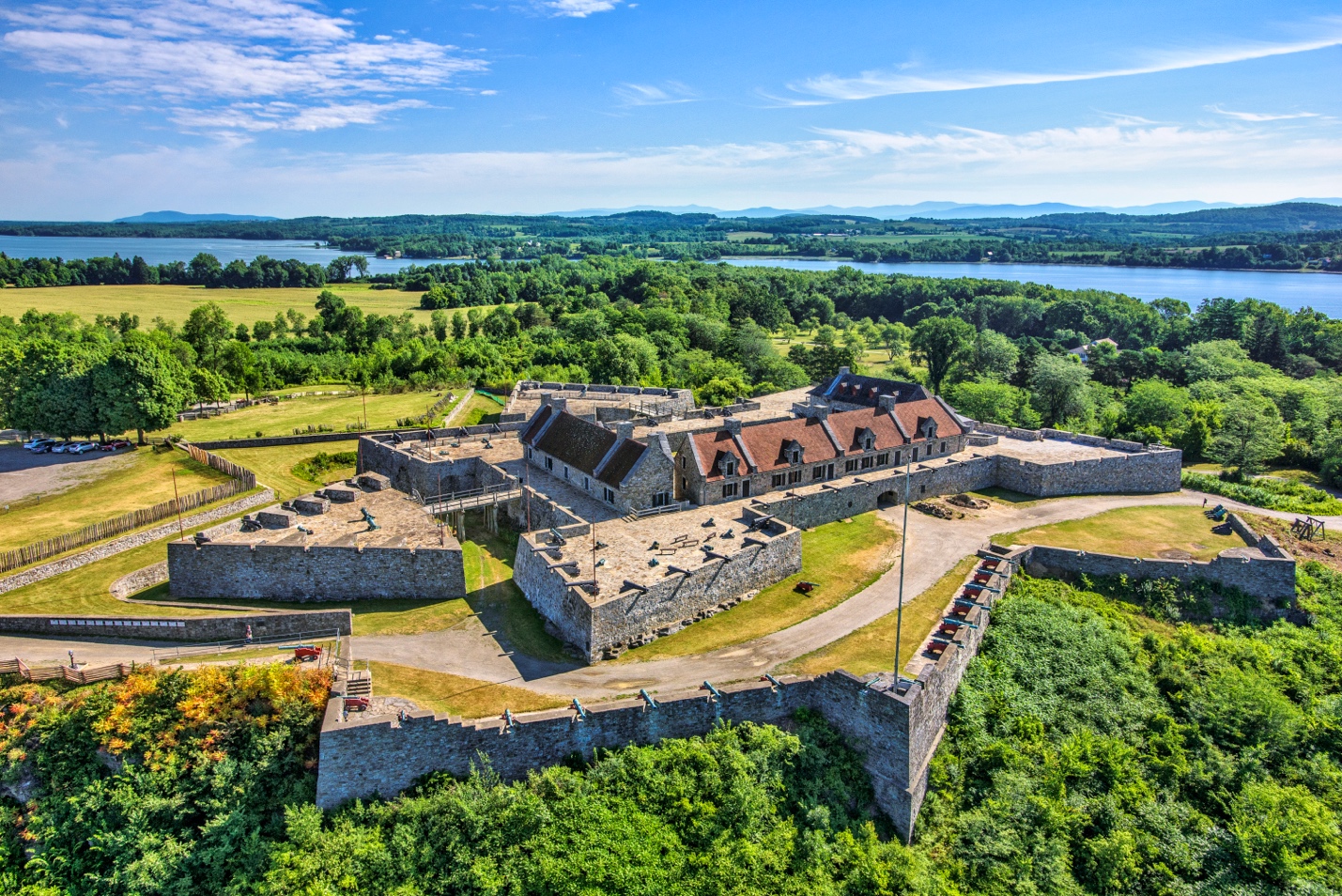
Fort Ticonderoga has partnered with Historiq to advance a new model for archival processing, one that combines professional expertise with purpose-built technology to expand access to historical collections. Through this collaboration, Fort Ticonderoga is implementing the Historiq platform across multiple collections, helping shape future archival workflows while advancing its mission to connect audiences with the past.
Building A New Model For Archival Processing
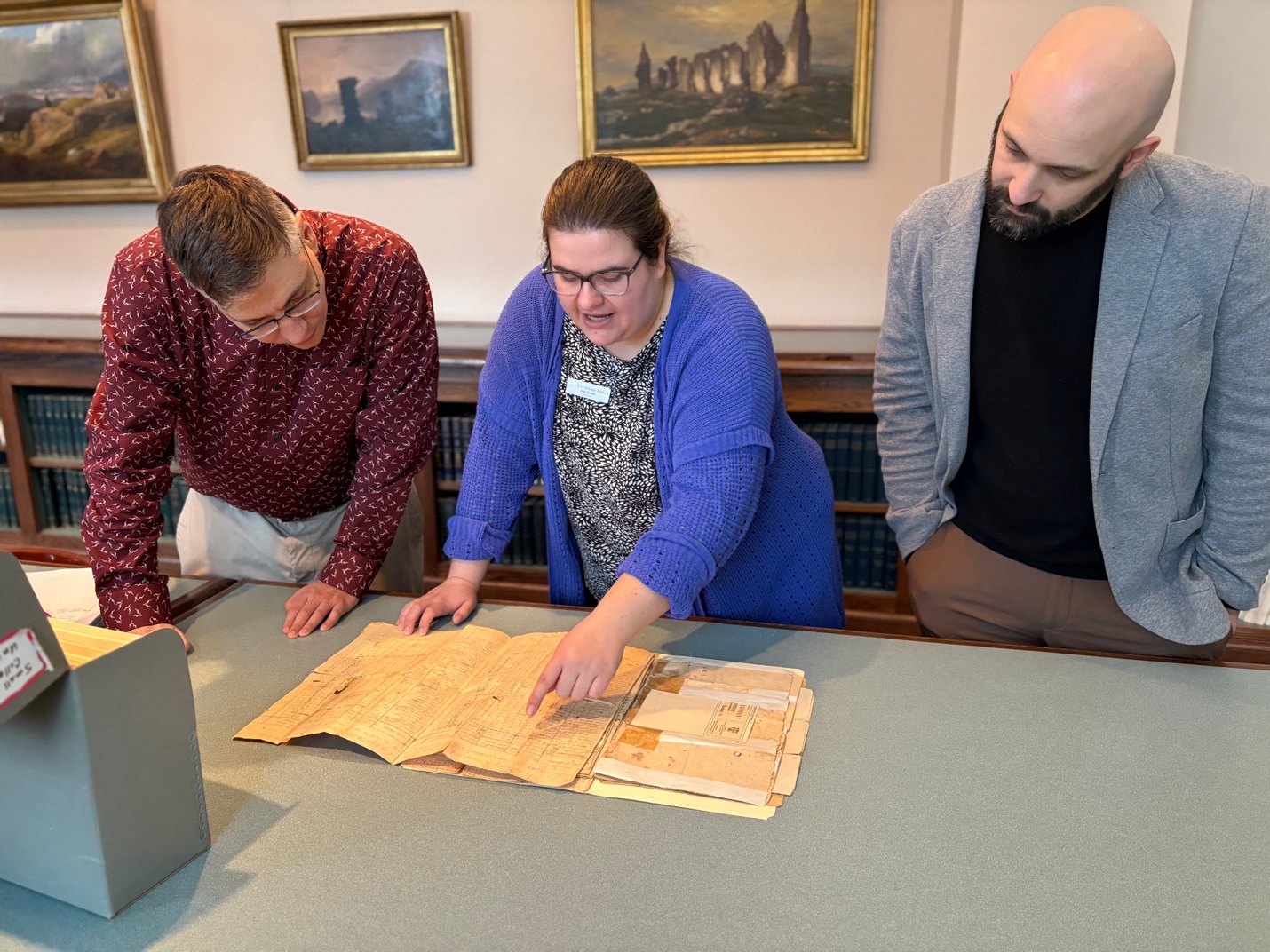
Following an exploratory meeting to understand Fort Ticonderoga's archival workflows, standards, and collections, the Historiq platform was introduced across multiple collections. From the outset, the focus was ensuring the technology aligned with how archivists actually think and work.
"Historiq serves as a force multiplier, helping archivists do more with the time they have. Using an archivist-centered approach boosted by technology and combining AI efficiency with archival principles, it's helping us get through our backlog and share even more of our collections with the world. It's easy and intuitive to work with, helping us increase our processing speed and organize our thoughts."
Kate and her team have been actively processing previously unprocessed materials within Fort Ticonderoga's collections, generating new finding aids, and bringing greater visibility to previously inaccessible content. Through this work, they've identified new processing priorities, guided by the efficiency and flexibility of the Historiq platform.
Looking Ahead: Defining The Future Of Access
This partnership represents more than progress on a single set of collections; it signals a broader shift in how archival work can be done. By combining institutional expertise with adaptable, archivist-centered technology, Historiq and Fort Ticonderoga are helping define a future where backlogs are no longer inevitable, and where access is no longer delayed by the limits of traditional processing methods.
"Every unprocessed box in museum storage is a story that hasn't been told yet. Historiq is helping to change that by accelerating an archivist's ability to describe, organize, and ultimately share collections with the world. The efficiencies we expect to unlock are genuinely exciting."
As the collaboration continues, Fort Ticonderoga's collections are moving closer to the researchers, educators, and history enthusiasts who rely on them, demonstrating what's possible when technology is built not just for the cultural heritage sector, but alongside it. Looking ahead, Miranda, Kate, and their team are preparing to use the Historiq platform to inventory Fort Ticonderoga's rare book collection this summer in collaboration with a cohort of fellows. That effort is already shaping the platform itself, prompting the development of new photo analysis capabilities and highlighting how this partnership continues to drive what's possible.
About Fort Ticonderoga
Welcoming visitors since 1909, Fort Ticonderoga is a major cultural destination, museum, historic site, and center for learning. As a multi-day destination and the premier place to learn more about North America's military heritage, Fort Ticonderoga engages more than 70,000 visitors each year with an economic impact of more than $16 million annually.